
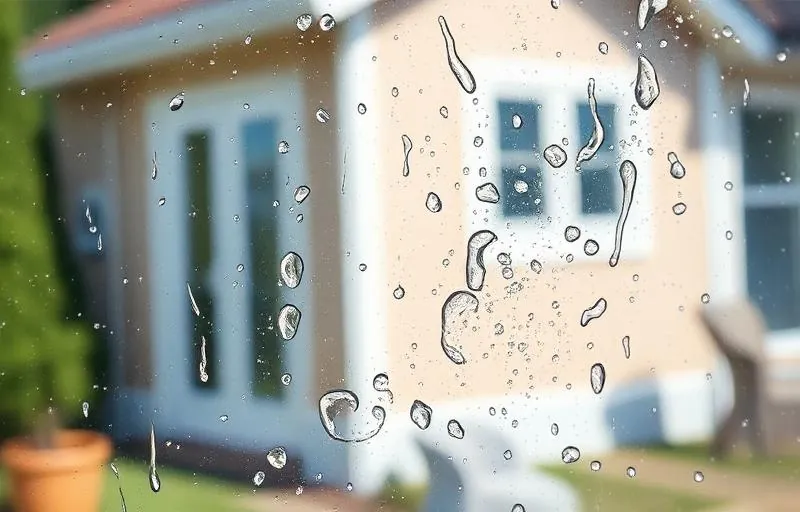
There's a unique frustration in looking out at the world through windows that are not clear. Persistent spots, streaks, and hazy films are more than an aesthetic annoyance; they reduce natural light, obscure your view, and detract from your property's appearance. While professional services offer a solution, many homeowners want effective DIY methods to reclaim their crystal-clear view without ongoing expense. This guide is your resource for tackling the most common window contaminants: hard water stains, mineral deposits, and salt residue, helping you achieve a streak-free shine with simple techniques.
The Frustration of Dull Windows: More Than Just Dirt
What looks like simple grime on your windows is often a complex buildup of mineral deposits, salts, and environmental residues; this is very common in Western Montana. These are not easily wiped away with a standard cleaning cloth. Hard water leaves behind chalky white marks, while coastal air brings corrosive salt residue. Over time, these contaminants can etch into the glass, making it harder to remove and causing lasting dullness.
What This Guide Will Help You Achieve
In this guide, you will find an easy plan to achieve and maintain crystal-clear windows. We start by understanding the root causes of hard water stains, mineral deposits, and salt residue. The guide highlights simple, effective DIY solutions using common household ingredients. You will also get step-by-step instructions for stubborn buildups, advice on when to call for professional help, and tips to prevent future stains.
Understanding the Culprits: The Science Behind Window Stains
When hard water evaporates, it leaves behind dissolved minerals like calcium and magnesium, creating stubborn limescale stains on the glass. To effectively combat window stains, it's essential to understand their causes.
Hard Water Stains & Limescale: The Ubiquitous Enemy
Hard water, characterized by a high concentration of dissolved minerals, is a primary culprit behind unsightly window stains. It is especially common on the well water that supplies many homes around Florence, Stevensville, and Hamilton. The most common culprits are calcium and magnesium ions, which precipitate out of the water as it dries, forming chalky white deposits known as limescale. This buildup is particularly problematic on glass surfaces, leaving behind stubborn white rings and cloudy water spots that resist simple wiping.
Salt Residue: A Coastal Challenge
For those living in coastal regions, salt residue presents a unique and often aggressive challenge. Airborne salt particles, carried inland by sea spray, settle on window surfaces. When combined with moisture, these salts can become corrosive, leading to dullness and streaks that are difficult to remove.
Beyond Hard Water: Other Mineral Deposits & Environmental Residue
While hard water and salt are primary offenders, other mineral deposits and environmental factors contribute to window dullness. Airborne pollutants, industrial fallout, and even sprinkler residue can leave behind various forms of buildup and stains. Tree sap, bird droppings, and lingering pollen can also adhere to glass.
The Effortless Approach: Essential Tools and Preparation
Achieving crystal-clear windows doesn't require an arsenal of specialized equipment. A few well-chosen tools and a systematic preparation approach can make a significant difference.
Gathering Your Arsenal: Tools for Success
- Spray Bottles: For diluting and applying cleaning solutions.
- Squeegee: A high-quality rubber squeegee is crucial for streak-free drying.
- Microfiber Cloths: Essential for washing, wiping, and polishing without leaving lint.
- Bucket: For your cleaning solution and rinse water.
- Scraper (Optional): A window-specific razor blade scraper for very stubborn residue—use with extreme care.
- Soft Brush or Sponge: For applying cleaning solutions and gently agitating stains.
- Distilled Water: Highly recommended for the final rinse to prevent new water spots.
Preparing Your Windows for Optimal Cleaning
Before applying any cleaning solutions, it's vital to prepare your windows. Begin by removing any loose dirt, dust, or debris with a dry brush or a quick rinse of plain water. This prevents loose grit from turning into an abrasive slurry that could scratch the glass during cleaning.
DIY Powerhouses: Effortlessly Eradicating Common Stains
Vinegar: The Acidic All-Purpose Workhorse
White vinegar is a champion of DIY cleaning thanks to its acetic acid, which effectively breaks down alkaline mineral deposits like calcium and magnesium. For general cleaning and mild hard water stains, mix equal parts white vinegar and water in a spray bottle. Spray the solution generously onto the glass, allow it to sit for 5–10 minutes to penetrate the deposit, then wipe clean.
Baking Soda & Lemon Juice: Gentle yet Powerful Combinations
Baking soda acts as a mild abrasive and can be used to scrub away residue gently. When combined with an acidic agent like lemon juice, it forms a potent cleaning paste. Mix baking soda with just enough lemon juice to form a paste. Apply to stubborn stains, let it sit for 15-20 minutes, then gently scrub with a soft cloth or sponge and rinse thoroughly.
Rubbing Alcohol: For Residue and a Streak-Free Finish
Rubbing alcohol is excellent for cutting through oily residues and evaporates quickly, contributing to a streak-free finish. A solution of 50% rubbing alcohol and 50% water can be used as a final rinse or spray to remove any lingering haze after washing.
Step-by-Step Guides for Targeted Stain Removal
Effortlessly Removing Hard Water Stains & Limescale
- Prepare: Mix equal parts white vinegar and water in a spray bottle.
- Apply: Generously spray the solution onto the affected glass areas.
- Dwell: Let the solution sit for 5-15 minutes.
- Scrub: For stubborn limescale, gently scrub with a non-abrasive sponge.
- Rinse: Thoroughly rinse the window with clean water, preferably distilled.
- Dry: Use a squeegee or a clean microfiber cloth to dry completely.
Eliminating Stubborn Salt Residue
- Pre-Rinse: Rinse the window thoroughly with fresh water.
- Clean: Mix a mild cleaning solution (dish soap in water) or diluted vinegar.
- Apply & Scrub: Apply the solution, then gently scrub with a soft brush.
- Rinse Thoroughly: Rinse multiple times with fresh water. Use distilled for the final rinse.
- Dry: Dry completely with a squeegee or microfiber cloth.
Achieving the Crystal Clear Finish: Streak-Free Secrets
Mastering the Art of Rinsing for Clarity
Thorough rinsing is paramount. After applying any cleaning solution, ensure all traces are removed. Use clean water, preferably distilled water. Tap water contains its own minerals which can leave behind water spots.
Squeegee Savvy: Your Path to a Flawless Finish
A good quality squeegee is indispensable. Start at the top of the glass and pull the squeegee down in a straight, overlapping stroke. Wipe the blade clean after each stroke. Maintain consistent pressure and angle.
Microfiber Magic: The Final Polish
Once the window is squeegeed, a clean, dry microfiber cloth is your best friend. Buff the glass in a circular or side-to-side motion to catch any remaining water or faint streaks.
Prevention is Key: Stopping Stains Before They Start
The most effortless way to maintain crystal-clear windows is to prevent stains and buildup from forming in the first place. Establish a routine for window cleaning. Frequent, lighter cleanings are much easier than tackling heavily stained windows. For most homes, a general cleaning schedule of monthly interior and exterior cleanings is recommended.
Conclusion
Maintaining crystal-clear windows to enjoy the beauty of Montana is achievable through understanding the common culprits – hard water stains, mineral deposits, and salt residue – and employing the right techniques. From the power of vinegar and baking soda to the precision of a squeegee and the gentle touch of a microfiber cloth, you have the tools and knowledge to banish dullness. Remember that consistent, regular maintenance is your best defense against stubborn buildup.